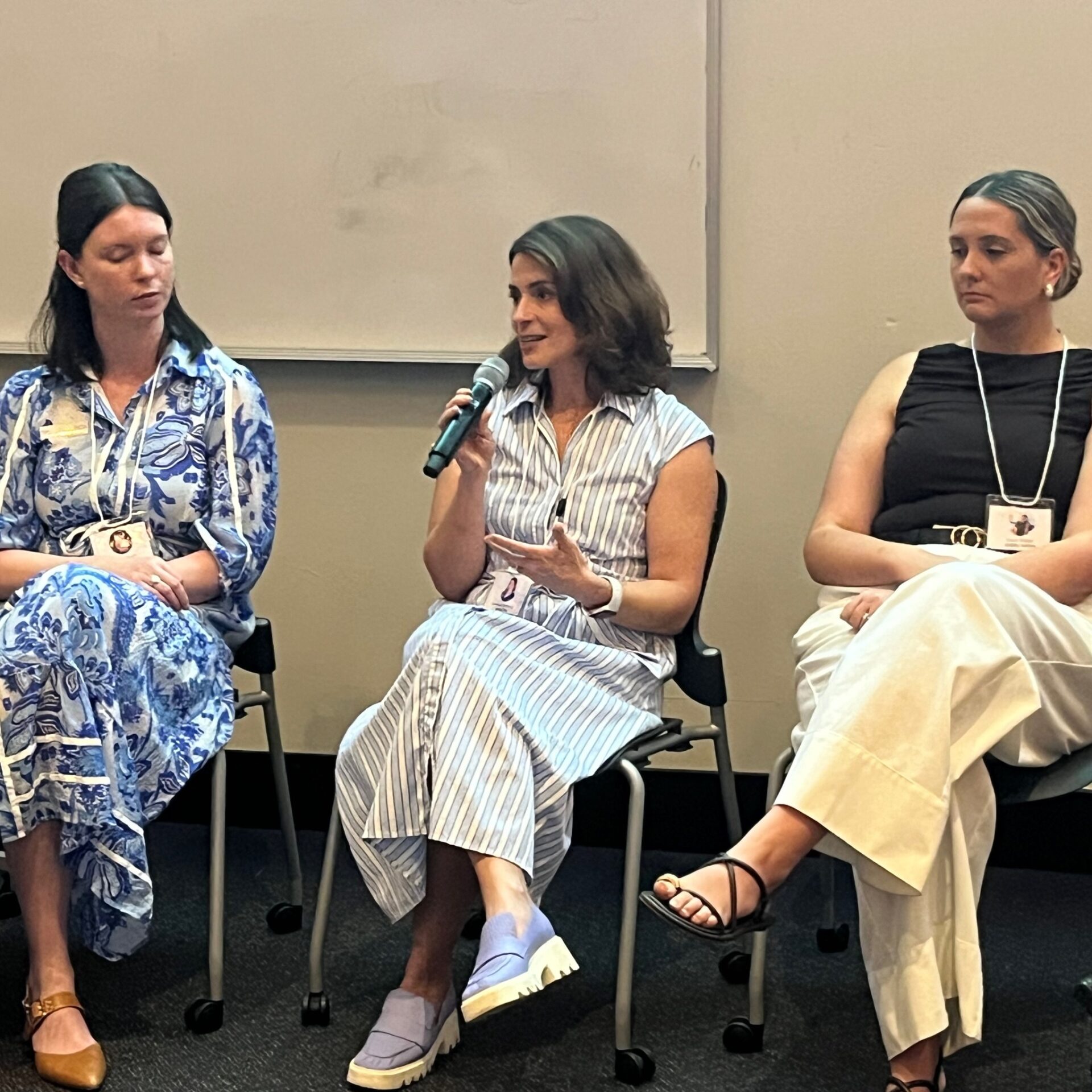
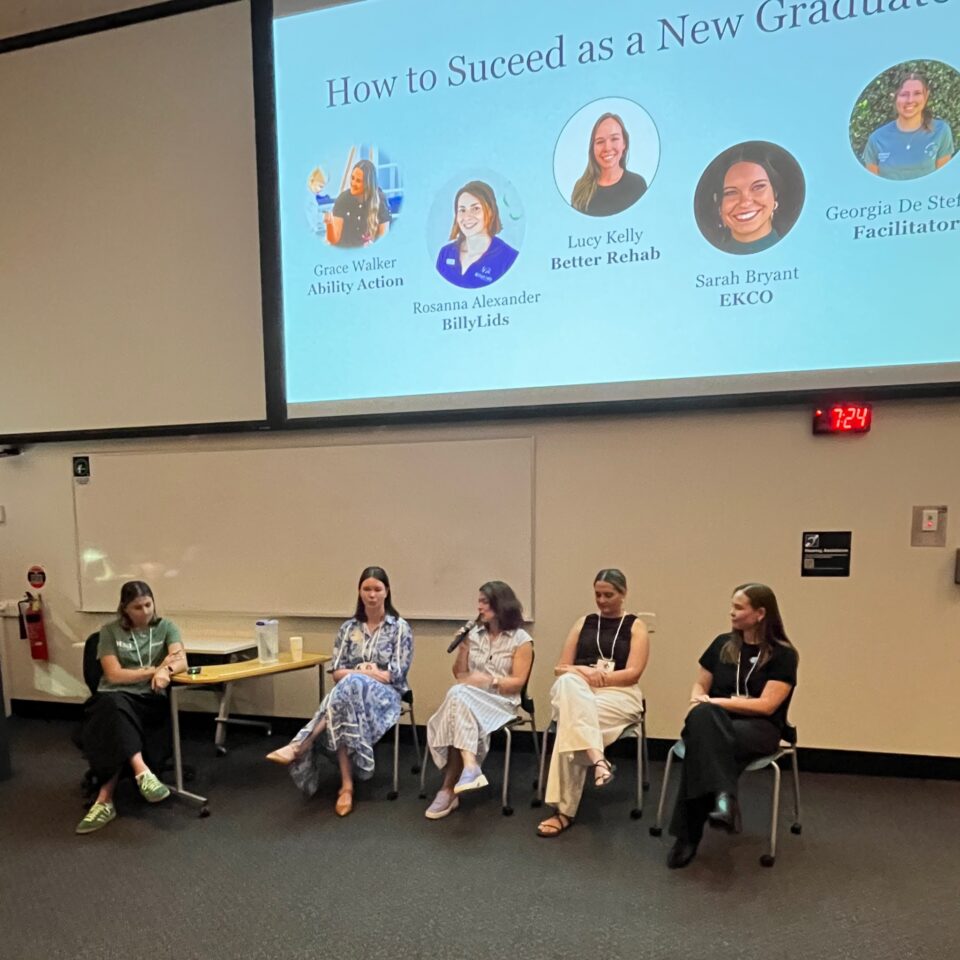
Last week, Rosanna Alexander from BillyLids Therapy was invited to join the Occupational Therapy Students Association (OTSA) Employability Panel at the University of Queensland.
It was a fantastic evening connecting with the OTSA community, meeting occupational therapy students, and hearing from fellow OT providers about different career pathways within allied health. The panel created a valuable space for students to ask questions, hear real-world experiences, and learn more about what life as a practising occupational therapist can look like after university.
About OTSA
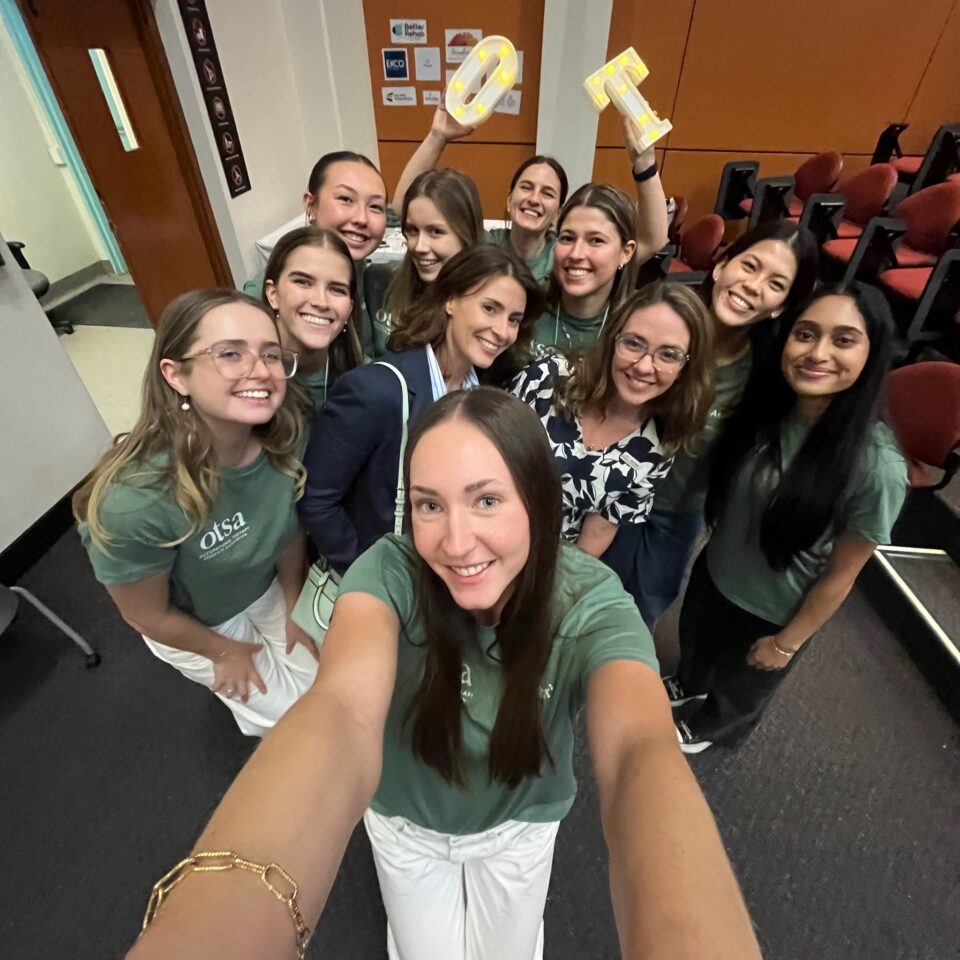
The Occupational Therapy Students Association, known as OTSA, is a student-led society based at the University of Queensland in St Lucia, Brisbane. Established in 1968, OTSA supports students studying occupational therapy, including undergraduate students and those in graduate entry master’s pathways.
OTSA plays an important role in helping occupational therapy students feel connected throughout their university experience. The association provides academic support, advocacy, student representation, networking opportunities and social events.
Beyond study support, OTSA also helps create a sense of community across year levels. This gives students opportunities to connect with others who understand the demands, challenges and rewards of studying occupational therapy.
Through its events and partnerships, OTSA also encourages students to build professional connections within the broader allied health community. This includes opportunities to meet students and professionals from areas such as physiotherapy, speech pathology, audiology and pharmacy.
OTSA’s work is a reminder that professional identity often starts well before graduation. By creating spaces for students to learn from each other, ask questions and connect with practising clinicians, the association helps students feel more prepared for the transition from university into the workforce.
The Importance of Student and Professional Connection
Events like the OTSA Employability Panel are an important bridge between university study and professional practice.
For occupational therapy students, hearing from clinicians working in different areas can help make future pathways feel more tangible. It gives students a chance to learn about what day-to-day practice may involve, what skills are helpful as a new graduate, and how different providers approach their work.
For practising therapists, it is also a valuable opportunity to support the next generation of allied health professionals. Sharing honest reflections about career development, clinical learning and workplace experience can help students feel more prepared as they begin thinking about life after university.
These conversations are especially valuable in allied health, where there are many different practice settings and client groups. Occupational therapists may work across hospitals, community services, schools, aged care, mental health, disability, rehabilitation and paediatric settings. Hearing directly from clinicians can help students understand the breadth of the profession and the many ways occupational therapy can support people across the lifespan.
Rosanna’s Role on the Panel
Rosanna was pleased to represent BillyLids Therapy on the panel and contribute to the discussion about employability, paediatric practice and working within a therapy team.
As part of the BillyLids team, Rosanna brought insight into what it can look like to work with children and families in a paediatric therapy setting. Paediatric occupational therapy is a rewarding area of practice that involves supporting children to participate more confidently in everyday activities, including play, learning, self-care, regulation and social participation.