
Children’s speech development is a fascinating process that involves many stages of growth. It’s important to recognise that every child is unique, and speech development can vary. Some children experience difficulties learning to pronounce particular sounds or whole classes of sounds. These children may require additional support from a speech pathologist to develop age-appropriate speech sounds. Parents and caregivers play a crucial role in supporting children to develop their speech sound production. Parents can provide support by incorporating speech sound cues into everyday interactions.
What Are Speech Sound Cues?
Speech sound cues are strategies that assist children in learning how to articulate sounds correctly. These cues can be visual, auditory, or tactile, offering different approaches depending on what works best for each child. Incorporating these cues into daily activities can make learning speech sounds a more engaging and effective process. Below are the different types of speech sound cues, along with examples and how they benefit your child’s speech development.
How Do Speech Sound Cues Improve Articulation in Children?
Speech sound cues can significantly improve a child’s articulation by providing a clear path for them to follow when learning how to produce sounds. These cues help children gain awareness of how to position their mouths, lips, and tongues, which are essential components in forming correct speech sounds. By using these cues consistently, children are able to break down the complexity of articulation into manageable steps, making it easier for them to grasp. For example, a child might first learn the correct position for their tongue when making the ‘t’ sound. Once they understand where the tongue should be placed, they can work on the strength of their voice to pronounce it clearly. The repetitive practice of using cues helps reinforce these correct patterns of speech, encouraging children to feel more comfortable as they articulate different sounds.
Remember, consistency is key. Over time, the child will internalise the cues and be able to produce clearer speech naturally and independently, leading to more confident communication.
Visual Cues: Guiding Through Demonstration
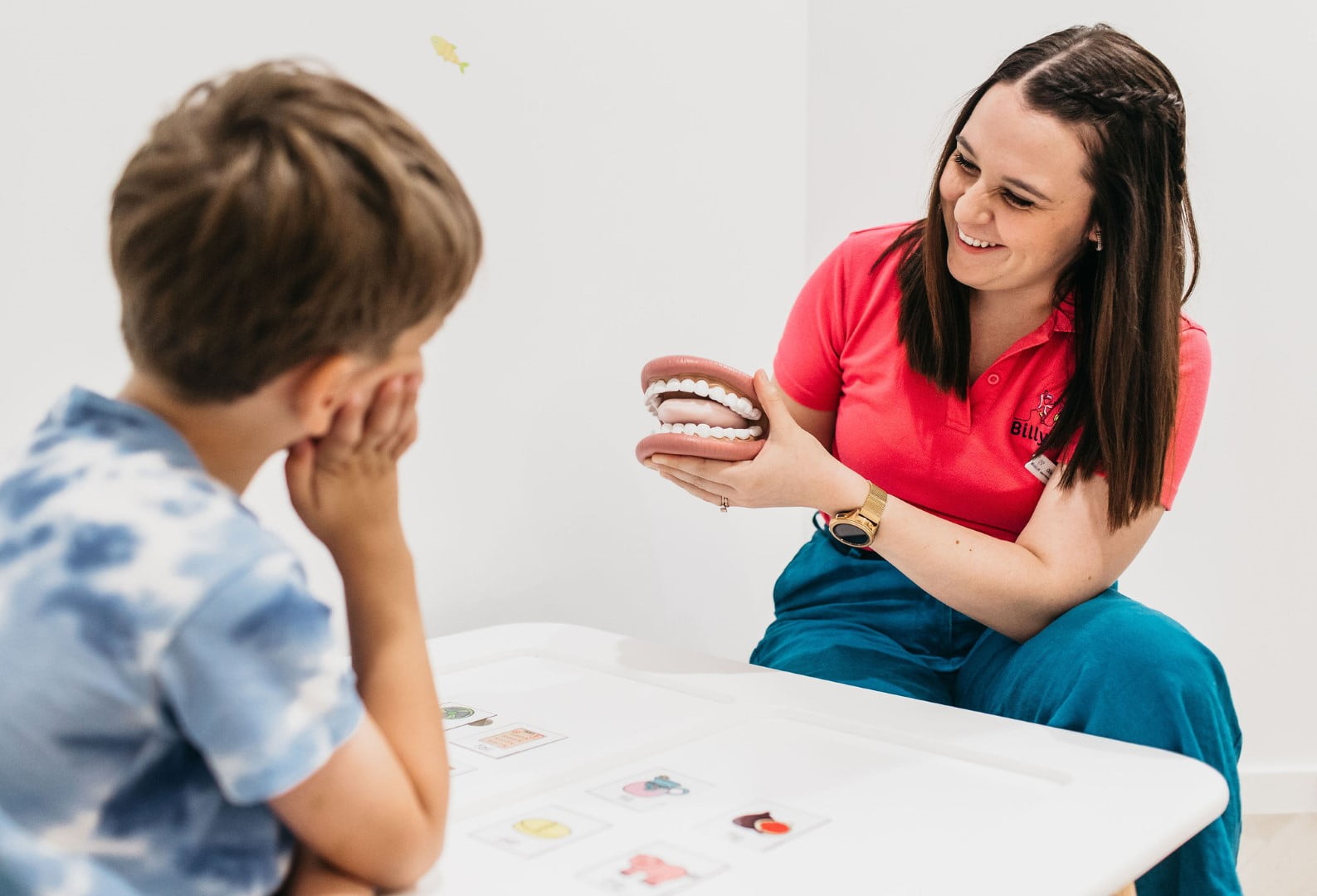
- Shaping the Mouth: Use mirrors or models to show your child how their mouth should look when producing certain sounds.
- Mouth Positioning Cards: Provide images of mouth positions to help children visualise sound production.
- Hand gestures: Use hand gestures that represent each sound (e.g. Cued articulation) to remind children of what sound they are trying to make.
Visual cues focus on demonstrating the physical movements involved in speech sound production. For example, showing a child how to round their lips for the “oo” sound or how to place their tongue for the “t” sound can help them achieve the correct position. These cues give children a clear visual reference, making the abstract process of sound production more concrete.
Auditory Cues: Emphasising Sound Clarity
- Exaggerated Sound Repetition and Auditory Models: Repeat the sound slowly, emphasising the mouth movements. Make sounds clear by saying them in a focused and exaggerated way, like dragging out the “ssss” sound.
- Auditory feedback: Use recording devices to record the child’s production of a sound and have them listen back to the video to hear the difference between sounds.
- Verbal cueing: Provide verbal cues for speech sound production, telling the child where to place their tongue, teeth and lips for correct pronunciation of a sound.
By modelling the sound and repeating it clearly, children are better able to understand how it should be articulated. Auditory cues can also involve verbal prompts that help children understand when to produce certain sounds.
Tactile Cues: Physical Interaction
- Hand Placement on Throat: Guide your child’s hand to their throat to feel the vibration of certain sounds like “g” or “b.”
- Use of tongue depressors to support placement of tongue: Tongue depressors can be used as a tactile and visual aid to guide tongue placement and provide sensory input for articulation. They are particularly helpful for teaching sounds such as /k/ and /g/ to support the child to keep the tip of their tongue down.
Tactile cues involve touch to help children recognise how sounds are physically made. These cues provide a sensory experience that makes the speech process more tangible, supporting a child’s understanding of sound production.
Using Cues in Everyday Activities
- Practice During Playtime: Incorporate speech sound cues into games, making learning enjoyable.
- Reinforce During Routine Activities: Use cues during daily routines such as meal times, story reading, or outdoor activities.
Incorporating these cues into regular activities makes learning feel natural and less like a formal exercise. Using them consistently during everyday interactions gives children the practice they need to refine their speech. With these visual, auditory, and tactile cues, your child will gradually improve their ability to articulate sounds clearly.

Why Is Articulation Important?
Articulation is essential for effective communication. It allows children to be understood by others, which helps them express their ideas, needs, and feelings. Clear articulation can also impact a child’s social confidence, as clear articulation allows them to participate more fully in conversations with peers and adults without the fear of not being understood. Without clear speech, children might feel frustrated or excluded from activities, leading to a lack of confidence in their abilities.
Working on articulation early on can prevent speech difficulties from becoming more ingrained and challenging later in life. This makes it an important focus for parents, caregivers, and Speech Pathologists, who can work together to ensure a child’s speech skills grow as they should.
Supportive Encouragement for Articulation Development
Helping your child with articulation is a gradual and ongoing process. It’s important to be patient and understanding as they work through each step. You might not see immediate results, but persistence pays off. Recognising your child’s efforts and celebrating their progress, no matter how small, is a powerful way to encourage them to continue practising.
Also, remember that every child develops at their own pace, so what works for one child might not be the same for another. Speech Pathologists are excellent partners in this process, offering support, guidance, and personalised strategies that suit your child’s unique needs. With a loving and supportive environment, your child will be able to express themselves more clearly, enhancing their communication skills and confidence as they grow.
FAQs
What are speech sound cues, and how do they assist in improving my child’s speech clarity?
Speech sound cues are strategies that guide children in producing specific speech sounds correctly. They can be visual, auditory, or tactile, helping children understand how to position their mouths, lips, and tongues to articulate sounds accurately. For instance, using a visual cue like a picture of a snake can prompt a child to produce the “s” sound by mimicking a hissing sound. These cues make learning speech sounds engaging and memorable, facilitating clearer communication.
Why is it important for my child to develop proper articulation skills?
Clear articulation is essential for effective communication. When children pronounce words correctly, they are better understood by peers and adults, which boosts their confidence and social interactions. Proper articulation also supports literacy development, as it is closely linked to reading and writing skills. Addressing articulation issues early can prevent potential academic and social challenges, ensuring your child can express themselves clearly and confidently.
How can I incorporate speech sound cues into daily activities to support my child’s speech development?
Integrating speech sound cues into everyday routines can be both effective and enjoyable. For example, during mealtime, you might use a “bunny teeth” cue to encourage the “f” sound by showing your child how to position their teeth. Incorporating these cues into playtime, reading sessions, or daily conversations makes learning natural and fun, reinforcing correct speech patterns in a relaxed setting.
Are there specific resources or tools available to assist in teaching speech sounds to children?
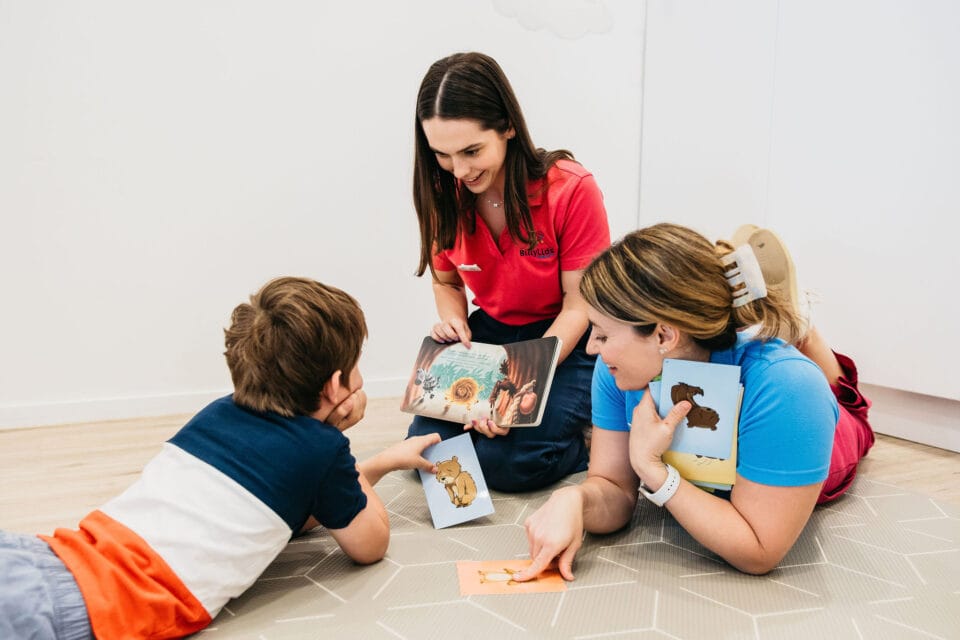
Yes, there are various resources designed to aid in teaching speech sounds. For instance, animal-themed cue cards can make learning engaging for children. These cards feature illustrations and prompts that help children visualise and remember how to produce specific sounds. Additionally, speech-sound mouth cue cards provide detailed images of mouth positions for each sound, offering clear guidance for both parents and children.
When should I seek professional help if my child is struggling with articulation?
If your child consistently has difficulty pronouncing certain sounds or is not making expected progress, it is beneficial to consult a Speech-Language Pathologist (SLP). An SLP can assess your child’s speech development and provide tailored strategies to address specific challenges. Early intervention is important, as it can lead to better outcomes and effectively support your child’s communication skills.