Help, My Child Has Been Bitten!
If you’ve just found out your child has been bitten, it can feel upsetting straight away. Whether it happened at childcare, kindy or during play, most parents have an immediate reaction: Is my child okay? Why did this happen? Will it happen again?
If that’s where you are right now, you’re not alone. Biting is common in babies, toddlers and some preschoolers, especially in group settings where children are still learning how to communicate, cope and share space with others. While biting can be distressing, it is often linked to development, communication and regulation rather than “bad behaviour”.
It can be hard when your child is the one who has been hurt. It can also feel embarrassing, worrying or isolating if your child is the one doing the biting. Both experiences can feel big. The good news is that biting is usually a behaviour we can understand, respond to and reduce with the right support.
What to do straight away
Comfort your child and check the bite for visible marks or broken skin. Let their educator or caregiver know what happened and monitor the area. If the skin is broken, the bite looks severe, or you are worried about pain, swelling or healing, seek medical advice.
Why do children bite?
All behaviour is communication. Young children often bite when they do not yet have the words, emotional regulation or impulse control to manage a situation another way.
That does not mean biting is okay. It does mean there is usually a reason behind it.
Children may bite because they are:
- frustrated
- overstimulated
- wanting space
- struggling to take turns
- having big feelings
- tired, hungry or unwell
- teething or seeking oral sensory input
- acting impulsively
- copying something they have seen before
For some children, biting happens in a split second before they have time to think. For others, it happens when they feel crowded, overwhelmed or unable to get their needs across. Understanding the “why” helps adults respond more effectively.
Biting at different ages can mean different things
Babies under 12 months
In babies, biting is often related to teething, mouthing, exploration and sensory input. Babies learn through their mouths, and some bites at this age are less about aggression and more about curiosity or discomfort.
Toddlers aged 1 to 3
This is the age when biting is most common. Toddlers often have big feelings but limited language. They may bite when they feel frustrated, excited, powerless, crowded or unable to wait. They may be biting to protect a toy, get space, or react quickly when upset. Toddlers can also bite because they enjoy the sensory feedback.
Preschoolers aged 3 to 5
Biting tends to become less common as children develop stronger language, social understanding and self-regulation. If a preschooler is biting repeatedly, it can be worth looking more closely at triggers, emotional regulation, stress, communication difficulties or sensory needs. Biting provides strong oral input, and deep pressure through the jaw. If your child is mouthing and chewing objects throughout the day (clothing, pencils, fingers, toys), and appears calmer after biting, these are signs your child is seeking oral sensory input.
In short, biting is more expected in younger children. Repeated biting in older children may need more assessment and support.
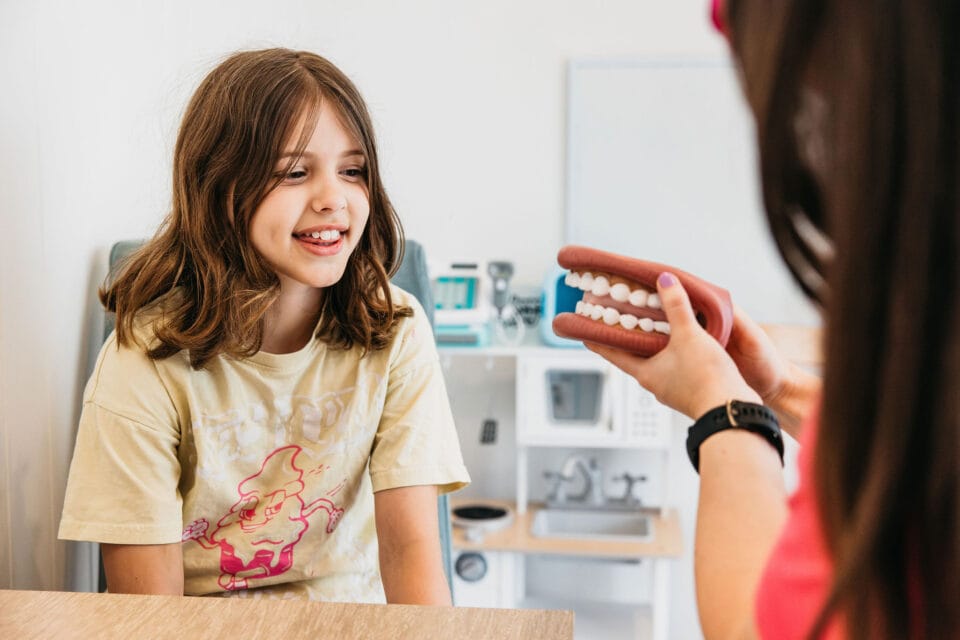
When is biting considered typical, and when should you ask more questions?
Biting is more common in babies and toddlers, particularly when communication and self-regulation are still developing.
It may be worth asking more questions if:
- biting is frequent or intense
- it continues beyond the age you would usually expect
- it happens across multiple settings
- your child seems highly distressed or difficult to calm
- there are broader concerns about communication, sensory regulation or development
- bites are causing injury or affecting your child’s participation in childcare, kindy or daily routines
These are not reasons to panic. They are signs that more support may be helpful.
If your child has been bitten, what should you do straight away?
If your child has been bitten, focus first on comforting them and letting the educators know about any visible mark or injury. It is a good idea to check the area and monitor it closely, especially if the skin has been broken.
Rather than trying to manage the injury yourself, seek medical advice if the bite has broken the skin, looks severe, or you have any concerns about pain, swelling, bruising or healing. Human bites can sometimes lead to infection, so if you are unsure, it is always safest to have the wound assessed by a medical professional.
What if your child was the one who bit?
If your child bit someone else, it does not automatically mean they are aggressive, mean or “naughty”. Most young children who bite are overwhelmed, dysregulated, frustrated or unable to communicate effectively in the moment.
That does not make the behaviour acceptable, but it does change how we respond. The goal is not punishment alone. The goal is to understand what happened, support regulation, and teach a safer way to cope next time.
Children learn best when adults respond calmly, clearly and consistently.
What can parents and educators do in the moment?
When a bite happens, respond quickly and calmly. Keep your language short and clear: “No biting. Biting hurts.”
Focus first on safety and the child who was hurt. Then help the child who bit settle and calm down. Avoid long explanations in the heat of the moment. A child who is dysregulated is not in a good place to absorb a lecture.
It also helps to avoid shame, harsh punishment or biting back. These responses may increase distress without teaching a better skill.
Place clear “no biting’ visuals in low stimulated, high visible locations in the home or classroom.
Once the child is calm, help them practise a replacement. Depending on their age and communication level, this might be:
- “help”
- “stop”
- “my turn”
- “move please”
- “finished”
- “I need space”
These short phrases give children something concrete to do instead.
Looking for patterns: what happened before the biting?
One of the most useful things adults can do is look for triggers. Ask yourself:
- Was the environment noisy, busy or overwhelming?
- Was another child too close?
- Was there waiting, sharing or turn-taking involved?
- Was your child tired, hungry or unwell?
- Did it happen during a transition?
- Does it happen at a similar time each day?
- Is it linked to the same child, activity or setting?
Patterns matter. If we understand what tends to happen before the bite, we can step in earlier and reduce the chances of it happening again.
Other factors to consider
Sometimes biting is not only about behaviour. Other factors can be contributing, including:
- teething discomfort
- oral sensory seeking
- pain or physical discomfort
- limited communication skills
- difficulty with emotional regulation
- overwhelm from noise, crowds or transitions
- developmental differences affecting regulation, communication or sensory processing
This does not mean something is “wrong”. It means the child may need more support in one or more areas.
How can parents and educators reduce biting over time?
Reducing biting usually works best when adults think preventatively, not just reactively.
Helpful strategies include:
- anticipating challenging moments
- staying close during high-risk situations
- preparing children for transitions
- supporting turn-taking and waiting with visuals or simple prompts
- offering safe chewing options if oral sensory needs are involved
- building emotional language
- praising safe behaviour early and often
- using routines to reduce overwhelm
- keeping responses consistent across home and care settings
- Offering crunchy foods for oral input
Children are more likely to succeed when the adults around them are responding in similar ways.
How speech pathologists and occupational therapists can help
For some children, ongoing biting is a sign that they need extra help with communication, sensory regulation or both.
Speech pathology support may help with:
- building functional communication
- teaching words, signs or visuals for “help”, “stop”, “finished” and “my turn”
- supporting children who need visual supports or AAC
Occupational therapy support may help with:
- identifying sensory overwhelm and triggers
- improving co-regulation and calming strategies
- recognising body cues before escalation
- making environmental adjustments
- offering safe alternatives if oral sensory needs are part of the picture
An individual assessment can help build a clearer picture of your child’s communication and sensory profile. From there, families and educators can use practical strategies that work across home, kindy and childcare.
When should you seek professional support?
Talk to your GP or child health professional if a bite wound has broken the skin, looks infected, or you are worried about healing.
Seek developmental support if biting is ongoing, escalating, or affecting your child’s ability to participate in childcare, kindy or everyday routines.
Depending on your child’s needs, support might include a speech pathologist, occupational therapist, GP, paediatrician or other child health professional.
FAQs about children biting
Is biting normal in babies and toddlers?
Yes. Biting is common in babies and toddlers while communication and self-regulation are still developing. It can be linked to teething, exploration, limited language, big feelings or sensory needs.
How should I respond when my child bites?
Respond quickly and calmly. Focus on safety and comfort the child who was hurt first, then use a short, clear phrase such as “No biting. Biting hurts.” Help the child who bit settle before practising safer words such as “help”, “stop” or “I need space”.
Why does my child bite at childcare but not at home?
Group settings can be noisier, busier and more crowded. Waiting, sharing, turn-taking and transitions can also increase overwhelm. Look for patterns in what happens before the bite so adults can step in earlier.
When should I seek professional support for biting?
Ask for support if biting is frequent, intense, ongoing, escalating, happening across settings or affecting participation. Also seek help if you have wider concerns about communication, sensory regulation or development. If a bite has broken the skin, looks infected or is not healing well, contact your GP or another health professional.
A final word for parents
Biting can be a stressful stage, but it is often temporary. Children need support, not shame.
When we understand the reason behind the behaviour, we are in a much better position to help. With the right strategies, most children learn safer ways to communicate, cope and stay connected with the people around them.
If you are worried about biting, regulation or communication, our team can help. We work with families and educators to understand what is driving the behaviour and build practical strategies that support your child across everyday settings.
Further Reading
For families wanting to learn more about child development, behaviour, communication and sensory regulation, the following resources may be helpful:
- Raising Children Network – Baby and toddler biting, pinching and hair-pulling: Practical guidance on why young children bite and how parents can respond calmly.
- Pregnancy, Birth and Baby – Children and biting: Australian health information about common reasons for biting and when parents may want extra support.
- Starting Blocks – Challenging behaviour: biting: Guidance for families on how early childhood education and care services may respond to biting incidents.