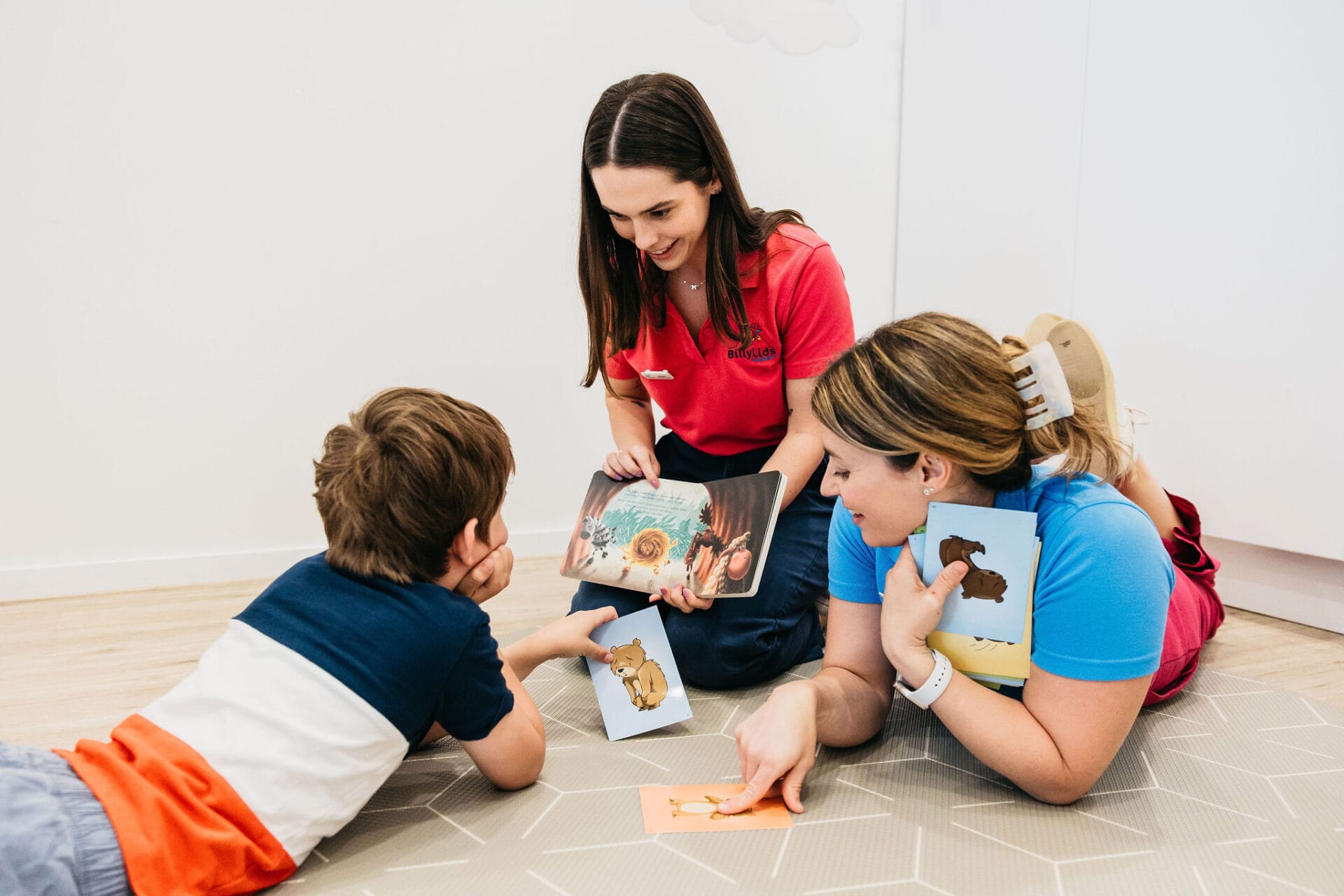
Pragmatic language is the social side of communication. It’s about how we use words, tone, and body language to connect with others in everyday interactions. While vocabulary and grammar focus on forming sentences, pragmatics delves into how those sentences are shared in real-life settings—whether asking for help, sharing a story, or engaging in small talk. For children, these skills form the foundation of making friends, following classroom routines and navigating social situations.
Children develop pragmatic language in stages, starting with simple gestures like pointing and progressing to more complex interactions such as understanding jokes or reading emotions. These abilities require practice and learning, as they often don’t come naturally to every child. A child may be able to use rich vocabulary but might struggle to take turns during a conversation or grasp social conventions like sarcasm.
When well-developed, pragmatic language allows children to express themselves clearly while understanding and responding appropriately to others. However, challenges in this area can make social interactions and relationships more difficult. The good news is that children can grow their social communication abilities with the right support, including encouragement at home and professional guidance when needed.
What Are Pragmatic Language Skills?
Pragmatic language skills enable individuals to use language socially and adapt their communication to fit various contexts, audiences, and purposes. These skills go beyond simply speaking and involve understanding how to convey messages effectively in different situations. For children, this includes learning how to tailor their words, tone, and behaviour depending on who they are speaking to, where they are communicating and what they want to achieve in the conversation.
One aspect of pragmatic language is using communication for different purposes. This includes greeting others, making requests, sharing information, asking questions, and giving directions. A child might greet a friend with a cheerful “Hi!” or ask a parent, “Can you help me with this?” Practising the use of language for different purposes helps children express their needs and intentions appropriately in a range of contexts.
Another key component is the ability to adjust language to suit the setting. Children need to understand that how they speak to a peer differs from how they address a teacher or a grandparent. For instance, a casual tone is suitable when talking to a friend, while a more formal and polite tone is expected in a classroom. This skill helps children navigate diverse social situations effectively.
Pragmatic language also involves following conversational rules. These include knowing when to speak, taking turns, maintaining eye contact, staying on topic, and recognising when a conversation has naturally ended. Nonverbal communication, such as smiling or nodding, plays an equally important role in ensuring smooth and meaningful interactions.
These skills are foundational for building strong relationships, participating in group activities, and developing social confidence. When children learn to use pragmatic language effectively, they can engage with peers, family members, and educators to foster connection and understanding, providing a valuable framework for future interactions in various aspects of life.
Why Is Pragmatic Language Important?
Pragmatic language serves as the cornerstone of effective social communication. It makes navigating relationships, learning environments, and everyday interactions easier. Key reasons include:
- Building Friendships: Children use these skills to make friends, share ideas, and resolve conflicts. Knowing when to listen and when to speak helps them bond with peers.
- Fostering Emotional Understanding: Pragmatic language helps children interpret others’ feelings through tone of voice, body language, and word choice.
- Supporting Academic Success: Classrooms rely on social communication for group work, answering questions, and following instructions.
- Encouraging Independence: Practical skills like asking for help or clarification are essential for daily tasks, especially as children grow older.
In addition to these benefits, developing pragmatic language reduces misunderstandings and miscommunication, allowing children to express their needs and feelings effectively.
What Are Pragmatic Language Difficulties?
Pragmatic language difficulties occur when a child struggles with the social use of language or fails to adapt their communication to different contexts. These challenges often go unnoticed initially because they are subtle, but they can have a significant impact on a child’s ability to interact with others. Children with pragmatic language difficulties may find it difficult to take turns in conversations, maintain topics and provide relevant responses to questions, interpret nonverbal cues and understand figurative language, such as humour and sarcasm.
Parents and teachers are often the first to notice these difficulties, especially when the child appears socially isolated or struggles to connect with others. While these challenges can be distressing, early identification and intervention can make a big difference. Working with a speech pathologist or using strategies at home and school can help children overcome these barriers, improving their ability to engage socially and communicate effectively.
Social Communication Disorder
What is Social Communication Disorder?
Social Communication Disorder (SCD) is a condition in which individuals struggle with social aspects of communication. Unlike other speech or language disorders, SCD is specific to how a person uses language in social contexts. It affects verbal and nonverbal interactions, making it difficult to participate in conversations, understand social cues, and adapt communication-based on the setting or audience.
How SCD Affects Pragmatic Language
SCD impacts pragmatic language directly. Children with this disorder may find it hard to:
- Understand the rules of conversation, such as turn-taking or staying on topic.
- Interpret figurative language, such as idioms or jokes.
- Recognise and respond to nonverbal cues, like gestures or facial expressions.
- Adapt their speech to suit different social situations.
These challenges can affect a child’s ability to form friendships and succeed in group settings, such as classrooms or playgrounds. For example, a child who cannot read body language might miss cues to stop talking, leading to frustration or misunderstandings with peers. Similarly, a child who doesn’t grasp the rules of turn-taking may find it hard to join group discussions. With professional intervention and consistent practice, children can improve their social communication skills and better navigate their interactions with others.
How to Support a Child Having Difficulty With Pragmatic Language
Supporting a child with pragmatic language difficulties requires a thoughtful and patient approach. Here are some practical and effective ways to help:
- Work with a Speech Pathologist: Engaging a speech pathologist is one of the most beneficial steps for addressing pragmatic language difficulties. They can provide individualised strategies tailored to your child’s specific needs.
- Encourage Social Play: Create opportunities for your child to interact with peers through playdates, group activities, or community events. Social play helps children practice conversational skills in real-world settings.
- Encourage Conversations: Create opportunities for your child to talk about their day, share thoughts, or ask questions. Open-ended prompts like, “What was the best part of your day?” can inspire dialogue and help them practise turn-taking and topic maintenance.
- Teach and Model Social Rules: Explicitly teach age-appropriate rules of conversation, such as taking turns, using appropriate greetings, staying on topic, and making eye contact. Modelling these behaviours during your own interactions can reinforce these concepts. For example, adapt your tone and vocabulary depending on whether you’re speaking to a child, teacher, or friend. Your child will learn to mimic this adaptability in their own conversations.
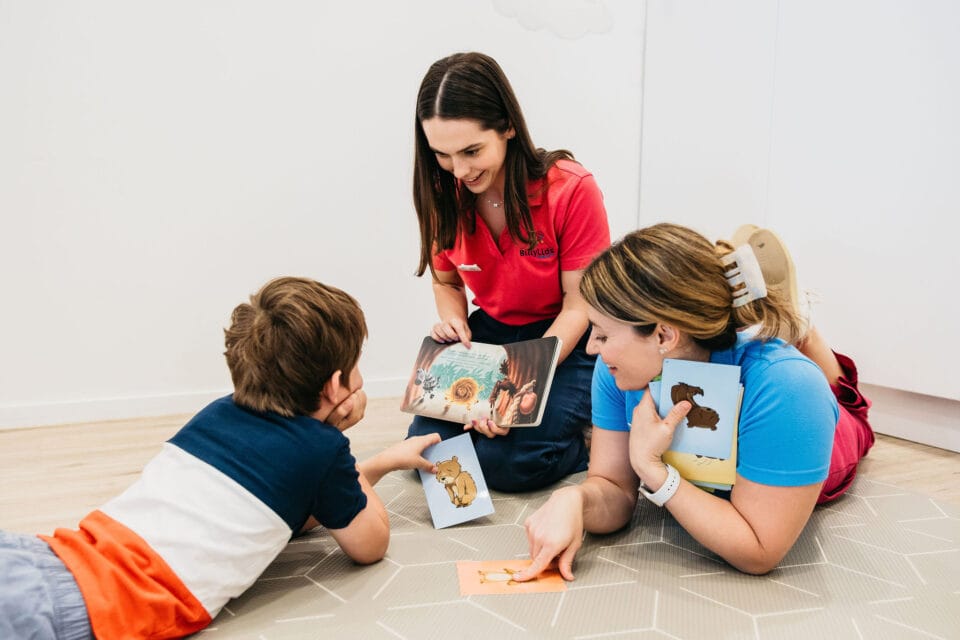
- Use Visual Supports: Use tools like social stories, visual schedules, or emotion charts to help children understand social scenarios. These aids can break down complex interactions into simple steps, making them easier to grasp and apply.
- Reinforce Positive Behaviors: Provide specific praise when your child successfully uses pragmatic language, such as asking for help politely or staying engaged in a conversation. Positive reinforcement boosts confidence and encourages repetition of the behaviour.
- Practice Role-Playing: Act out everyday scenarios, such as introducing oneself, resolving a conflict, or ordering food at a restaurant. Role-playing gives children a safe space to practice and develop their social communication skills.
- Engage in Shared Activities: Activities such as cooking, playing games, or reading together provide natural opportunities for communication. These moments can be used to practice turn-taking, asking questions, and expressing thoughts.
- Play Games That Foster Interaction: Choose games that involve turn-taking, following rules, or collaborative problem-solving, such as board games or charades. These activities naturally reinforce essential communication skills in a fun and engaging way.
With consistent practice, professional guidance, and a supportive environment, children can make significant progress in developing pragmatic language skills and building stronger connections with those around them. Every child is unique, and their progress will vary. Combining these approaches with patience and consistency can help your child develop stronger pragmatic language skills, enabling them to connect more confidently with others.
Supporting Social Growth
Pragmatic language is at the core of how children express themselves, build relationships, and navigate the social world. For some children, developing these skills can be a challenge, but with patience, guidance, and the right support, they can make meaningful progress.
Parents play a key role in fostering these abilities, from modelling positive communication to creating opportunities for social interaction. Professional help, such as working with a skilled speech pathologist, can provide targeted strategies to address specific difficulties and support long-term growth.
It’s important to remember that every child develops at their own pace. Celebrate small victories, provide encouragement, and remain consistent in supporting their efforts. With time and nurturing, your child can strengthen their social communication skills and grow into confident communicators, ready to connect with the people and world around them.
FAQs
What is Pragmatic Language in Children?
Pragmatic language refers to how children use language socially to communicate effectively. It includes skills like taking turns in conversations, using appropriate greetings, and understanding nonverbal cues.
Why is Pragmatic Language Important?
Pragmatic language allows children to connect with others, navigate social situations, and succeed academically and emotionally. It underpins their ability to build relationships and express themselves appropriately.
How Does Pragmatic Language Disorder Relate to Autism?
While pragmatic language difficulties are common in children with Autism Spectrum Disorder, not all children with these challenges are autistic. Autism often involves broader communication and social challenges, including restricted interests or repetitive behaviours.
What Is Social Communication Disorder and How Does It Relate to Pragmatic Language?
SCD is a condition that affects social aspects of communication, including pragmatic language. Children with SCD may struggle with conversational rules, interpreting nonverbal cues, and adapting speech to different situations.
How Common Are Pragmatic Language Issues in Australian Children?
Pragmatic language issues are relatively common among Australian children, especially during early development. These challenges can appear as standalone difficulties or as part of conditions like ASD or SCD. They often become noticeable in social settings like schools or childcare, where interactions with peers and adults highlight gaps in social communication. Early intervention through speech therapy and other resources can support children in overcoming these challenges and building strong communication skills.